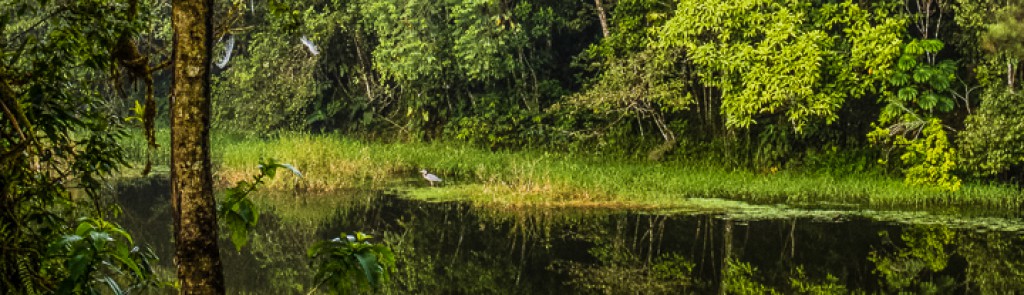
My Conversion to Caterpillars
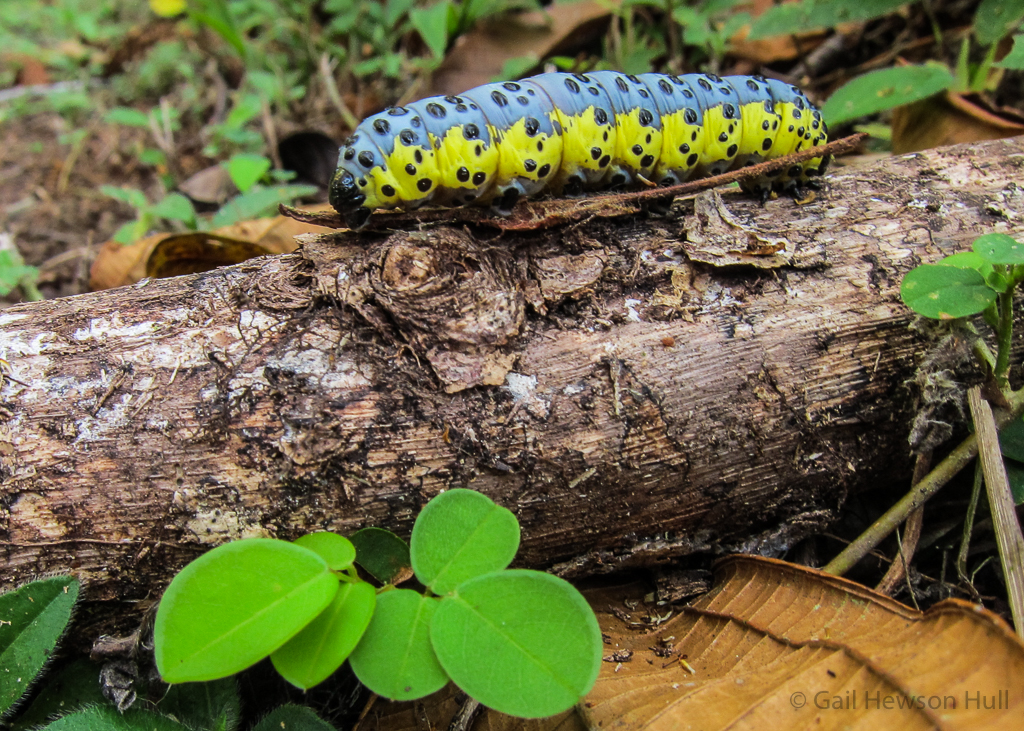
Lobeza medina, moth at Finca Cantaros. Identification of caterpillar by Isidro Chacon.
Caterpillars get such short shrift. Most people living in urban environments probably have never seen a caterpillar, but are familiar with the order Lepidoptera only because they’ve seen a few moths at the back door light, or seen a few butterflies in a local park. But in some U.S. cities they might spend $30 per person to visit a butterfly exhibit at the local natural history museum. The lovely colors and fragility of fluttering winged bodies draw people to them to an intense degree. Children and adults alike are entranced by butterflies and their association with flowers in full bloom.
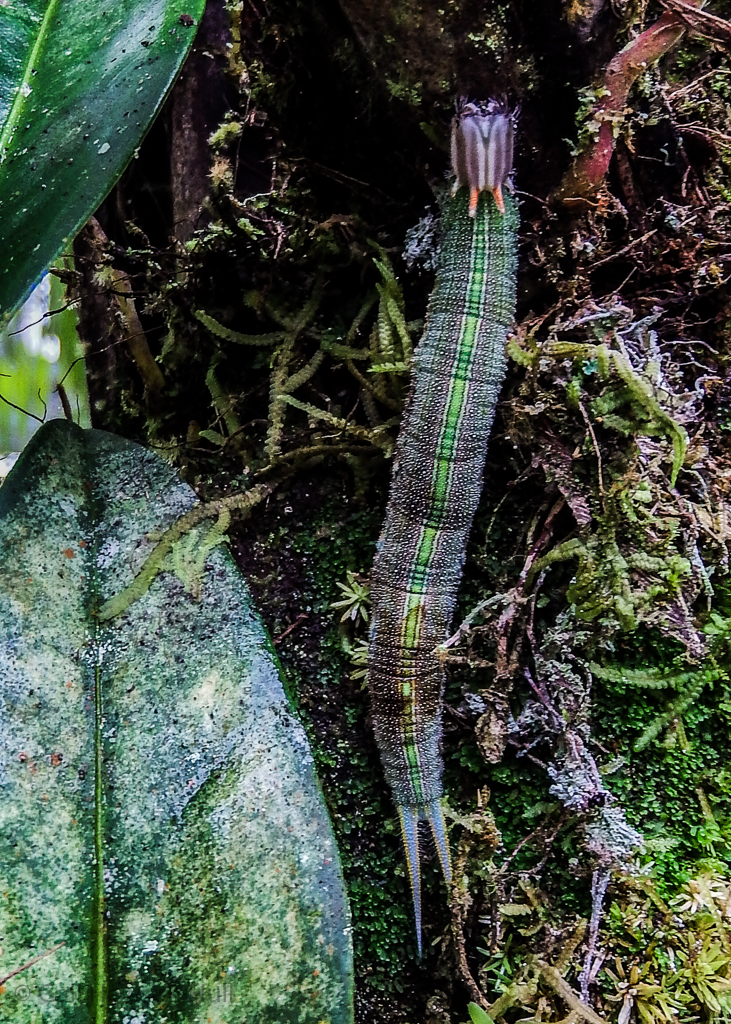
Opsiphanes quiteria, butterfly larva at Finca Cantaros. Identification of caterpillar by Isidro Chacon.
In the Northeastern United States, where I spent most of my childhood in country or exurban settings, caterpillars are not very charismatic—often dark, hairy and not eye-catching. Many moth and some butterfly larvae there are treated as pests, consuming leaves of garden plants or cherished native trees. However, at mid-life when I moved to Costa Rica, my attitude changed. The abundance of species of Lepidoptera meant many more opportunities to see not only the beautiful and diverse flying adults in gardens and forests (and under black lights in research settings), but also to see a stunning variety of strange and arresting caterpillars.
A memorable day in early 1989, soon after I arrived in Costa Rica, was the day I visited Dr. Dan Janzen and his wife Dr. Winnie Hallwachs, University of Pennsylvania professors of biology and legends in Costa Rica for their conservation work (along with hundreds of others) to establish the Guanacaste World Heritage Site and National Park. Dan and Winnie welcomed me, and my former husband Luis Diego Gómez, to their modest home in Santa Rosa. Before he shook my hand Dan presented me with a boa constrictor to hold and wrap around my arms. Soon after this rite of passage, we went inside for coffee, and they paid no attention to the ants crawling around the sugar bowl, mixing them into their coffee without a word. Of course, I did the same.
There was an odd smell of decay permeating the house. Hanging around the dining area on cords were dozens of little white air-permeable stained cloth bags, some filled with chrysalises (pupae) and others with caterpillars eating leaves. Winnie and Dan were rearing caterpillars, a process taking anywhere from ten to sixty days, and then protecting and checking daily the pupae to see what butterfly or moth would emerge. The unpleasant smell was from molts left over from the changing of the larval instars (the growth process which typically involves five molts), and probably from the decaying frass, the waste of the plant digestion process. This was a labor-intensive job, requiring removing the frass from the bags multiple times daily. Dan and Winnie’s research on Lepidoptera, and many other organisms, is simply prodigious. Later that day, for example, we went out to collect Baird’s Tapir dung so Dan could see what species of seeds it contained.
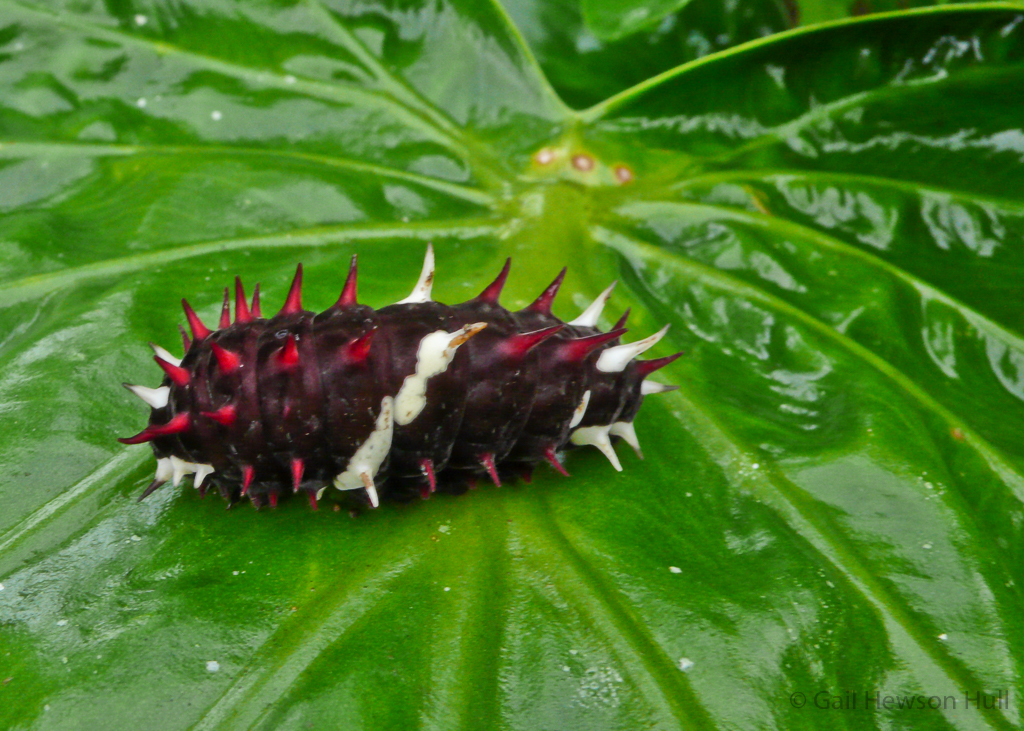
Parides erithalion, butterfly at Finca Cantaros. Identification of caterpillar by Isidro Chacon.
From a while after that, I was hooked. I raised some larvae myself and took more interest in trying to determine what caterpillar would turn into which butterfly. It wasn’t easy. While in the bags with their host leaves, some fell victim to fungi or viruses. When butterflies actually emerged from their pupae, success was exciting. That was many years ago. Now, I just take photos when I am fortunate enough to spot a bizarre and ornately patterned caterpillar.
In light of disappearing biodiversity, study and dissemination of research about these creatures, often co-evolved with only one or a very small number of plant species, can literally help save tropical forests. People who want to save butterflies (and birds, and jaguars) must also work to save caterpillars and their host plants.
Below are my top ten favorite facts about caterpillars that even David Letterman would love:
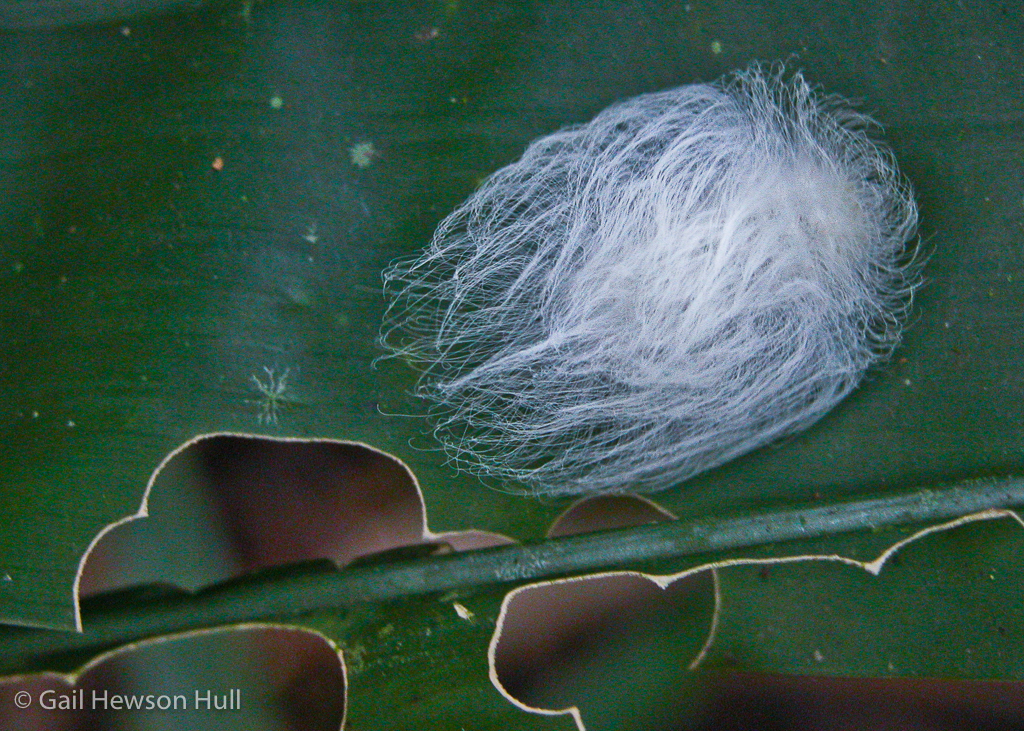
Tiny caterpillar with long, barbed stinging hairs.
- Caterpillars’ heads have mandibles containing both molars and incisors which become worn down as the larva matures, but they are replaced at each molt, so each instar starts its life with a whole new set of sharp mandibles.
- Oh, and the head falls off, too. Each instar starts with a whole new noggin.
- While most butterfly caterpillars eat vegetable matter, some survive on the flesh or the secretions of other insects.
- If one individual caterpillar delays molting a day or two after the rest of the group, it is at risk of being cannibalized by the others.
- Caterpillars have eyes called stemmata, which contain light-sensitive pigments that not only distinguish between light and dark, but between horizontal and vertical. Some research shows stemmata produce a well-focused image.
- Caterpillars produce safety lines of silk connected to the plant as they walk along—otherwise an early instar caterpillar that falls off its leaf will likely starve, as it is too small to find its way from the ground and up the plant to tender leaves.
- All butterfly caterpillars have bristle-like hairs called setae at some stage in their development—lengths and density vary tremendously—that are mostly used for physical defense, but sometimes also for chemical defense, against ants, insects and other predators.
- Voracious eaters, most caterpillars can increase their weight up to 60 times in less than two weeks. Some moth species may increase weight from egg to mature instar by 200 times or more.
- Early, small instars eat constantly, day and night, but later instar, larger caterpillars have evolved to stay immobile and quiet by day, eating only at night to avoid being seen by predators.
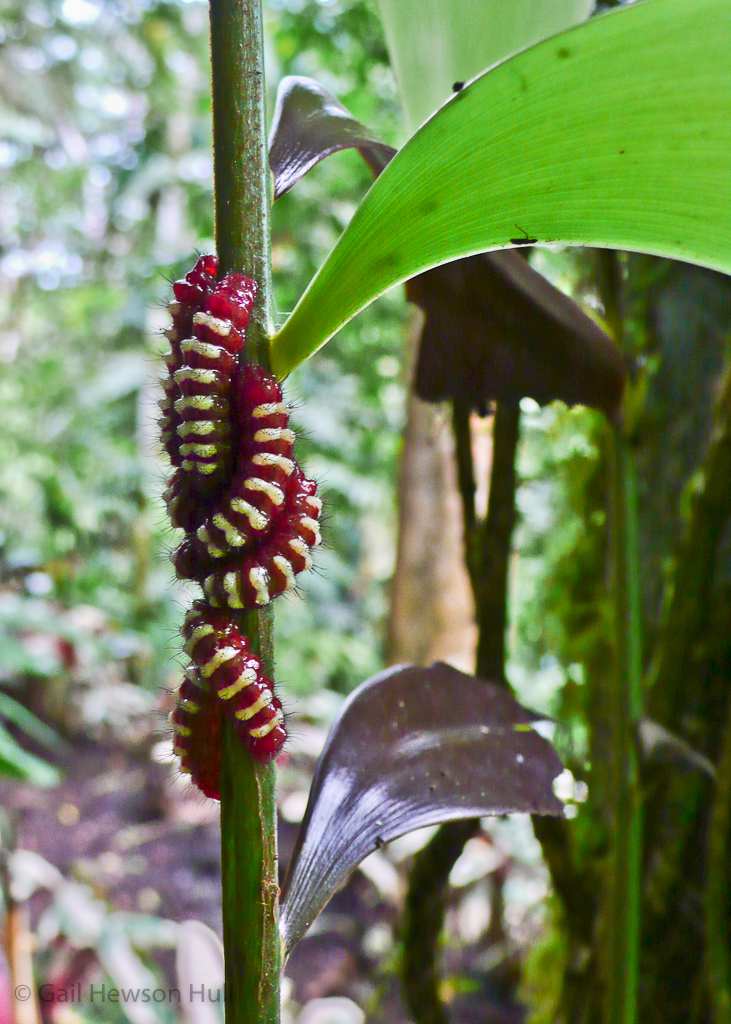
- The caterpillars of some butterfly species hang out in gangs—see the “gregarious” larvae below—to protect against predators. Large groups can work together to cut through tough leaves. Solitary types are more cryptic in color so they can hide out; gregarious types are usually more obvious in color—often aposematically so. (Their bright colors warn predators off—“don’t eat me, I’m toxic.”)

Eumeus godartii, butterfly larvae at Las Cruces Biological Station. Gregarious, aposematic, with toxins from the plant it eats, the Cycad Zamia fairchildiana. Larvae have an unpleasant odor. Note setae (hairs) that look nasty, but do not sting.
My reference guides for the top ten list: The Butterflies of Costa Rica and Their Natural History, Volumes I (1987) pp. 5-8; and II (1997) pp. 9-18, by Philip J. DeVries, Princeton University Press.
A Charming Baby Elaenia
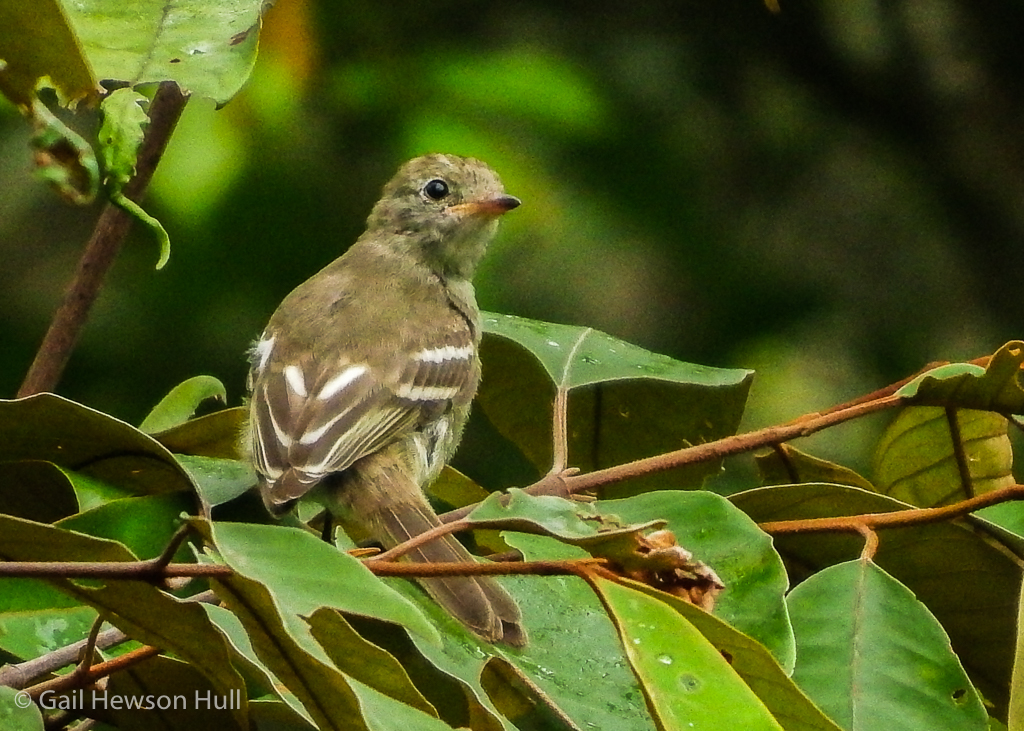
Lesser Elaenia (juvenile) at Finca Cantaros with light-colored wing patch formed by edgings of folded middle secondary feathers
The Scientific Committee of the Ornithological Association of Costa Rica (AOCR), responsible for the registry of birds and monitoring the status of rare species, updated this week its official list of Costa Rican birds: 909 species. I am trying to learn to identify the almost 220 species that have, with the help of experienced birders and professional ornithologists keeping track, found their way onto our Finca Cantaros bird list. That seems like substantial diversity for a 7 ha (17 acre) property, but it is only about half the number of species at the Las Cruces Biological Station and Wilson Botanical Garden just 2.5 k down the road—there are over 400 bird species on that list due to its much larger forest area and richly varied habitat.
Trying not to get discouraged about how long it is taking me to recognize even some common LBJs (“Little Brown Jobs” as birders call mostly brown birds whose markings they cannot distinguish) and other less than colorful forest species on my own property, I find my memory is enhanced by taking photos whenever possible. I come home, download the photos, study the books, and occasionally find a good match. All too often however, I can’t identify the bird and must reach out for help. Fortunately, I have plenty of local birding friends who are quite brilliant at identifying birds from imperfect photos.
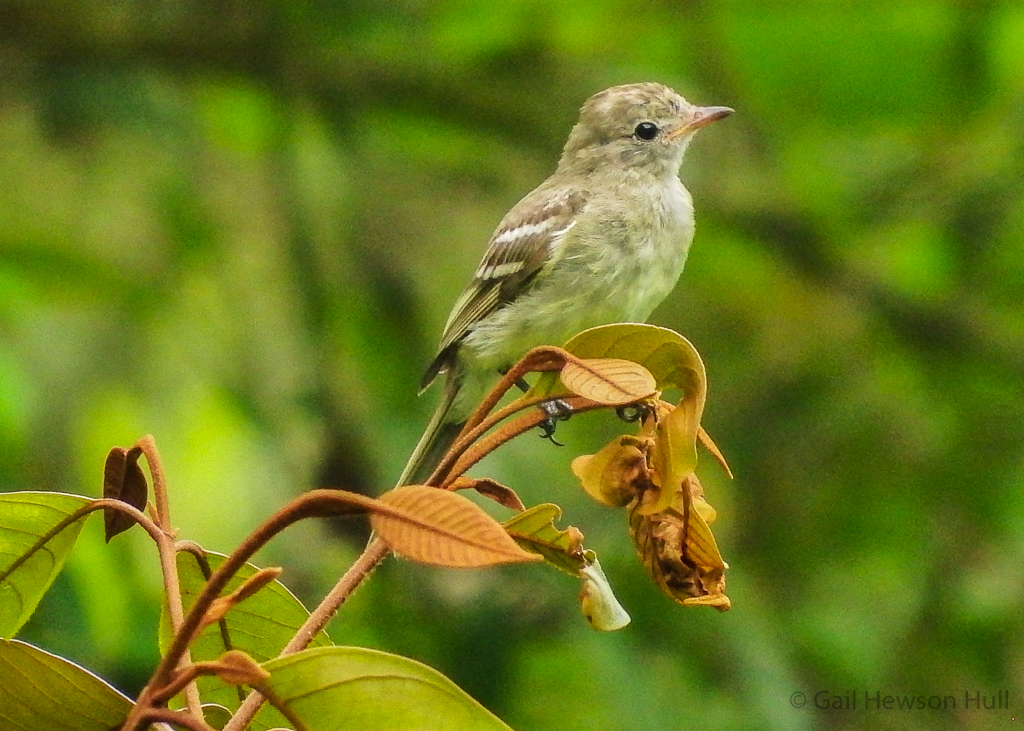
Lesser Elaenia (juvenile)
I needed help today for the Lesser Elaenia, a small 5 ¼ inch member of the Tyrannidae: American or Tyrant Flycatchers. There was a small flock of these birds going from bush to bush eating ripe Miconia fruits. I suspected it was very young from the pale, slightly splotchy tones, and I guessed it was a Bran-colored Flycatcher. After sending him my photos, I was informed by Pepe Castiblanco, a nearby naturalist guide, that indeed it was a baby, but a Lesser Elaenia. “It is very similar to the Yellow Bellied Elaenia, but note pale wing patch. It’s exactly as it appears in the book.”
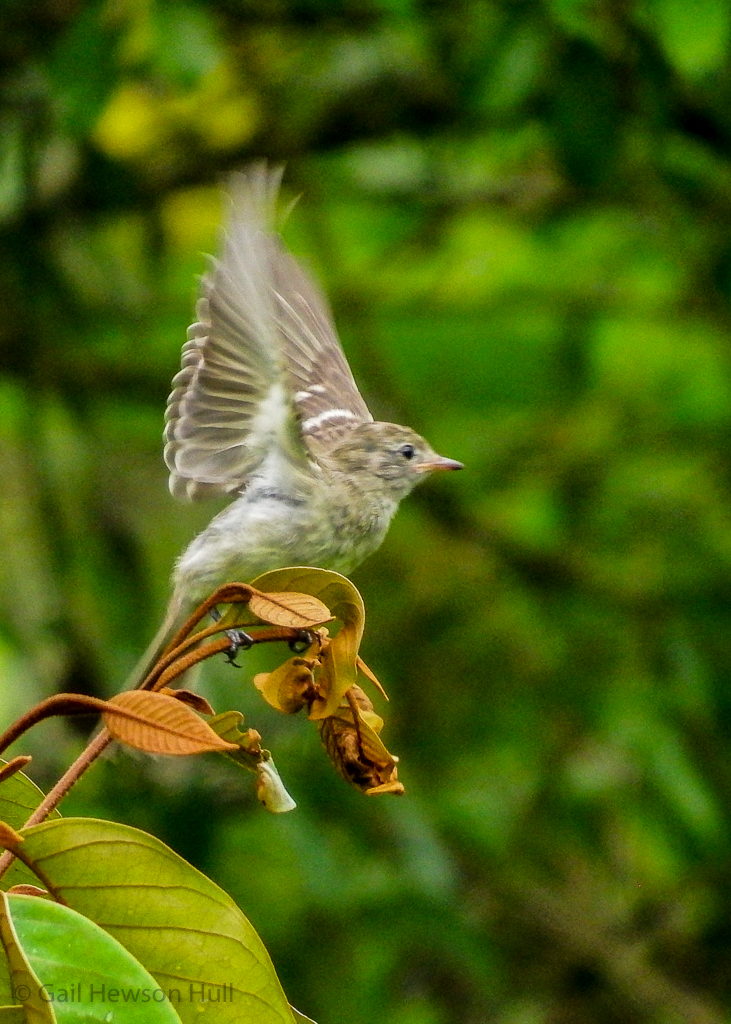
Lesser Elaenia, Finca Cantaros
Caramba! That detail told him everything he needed to know, while I hadn’t even noticed the patch.
The Foto Diarist, challenged as she is, captures on film all the beauty that luck allows her, and takes solace from William Wordsworth:
“Knowing that Nature never did betray the heart that loved her.” *
******************************
Pepe Castiblanco, naturalist guide, can be contacted through the wonderful B&B that he owns with his wife Kathleen Ulenaers in Linda Vista, Coto Brus, halfway between the Wilson Botanical Garden and Finca Cantaros.
*Lines Composed a Few Miles Above Tintern Abbey [1798, l. 122]
Range of Lesser Elaenia: Costa Rica to NW Ecuador, C Bolivia, and SE Brazil from A Guide to the Birds of Costa Rica by F. Gary Stiles and Alexander Skutch. Comstock Publishing Associates, Cornell University Press, Ithaca, New York, 1989.
Three Times Thrush

Ruddy-capped Nightingale-Thrush at San Gerardo de Dota
It is always delightful to see beautiful birds in Costa Rica with brightly colored plumage, but I find what interests me more these days are the elusive, subtle birds whose behavior is camouflaged in forest colors. I’m challenging myself to find some of these secretive birds in dark and difficult habitats, to learn about their characteristics, and then to try to capture their essence in photographs. “Trying” is the gerund that governs here. When I fail, which is most of the time, at least the blurry image—and the memory of how the bird behaved while I was stalking it–can be instructive.
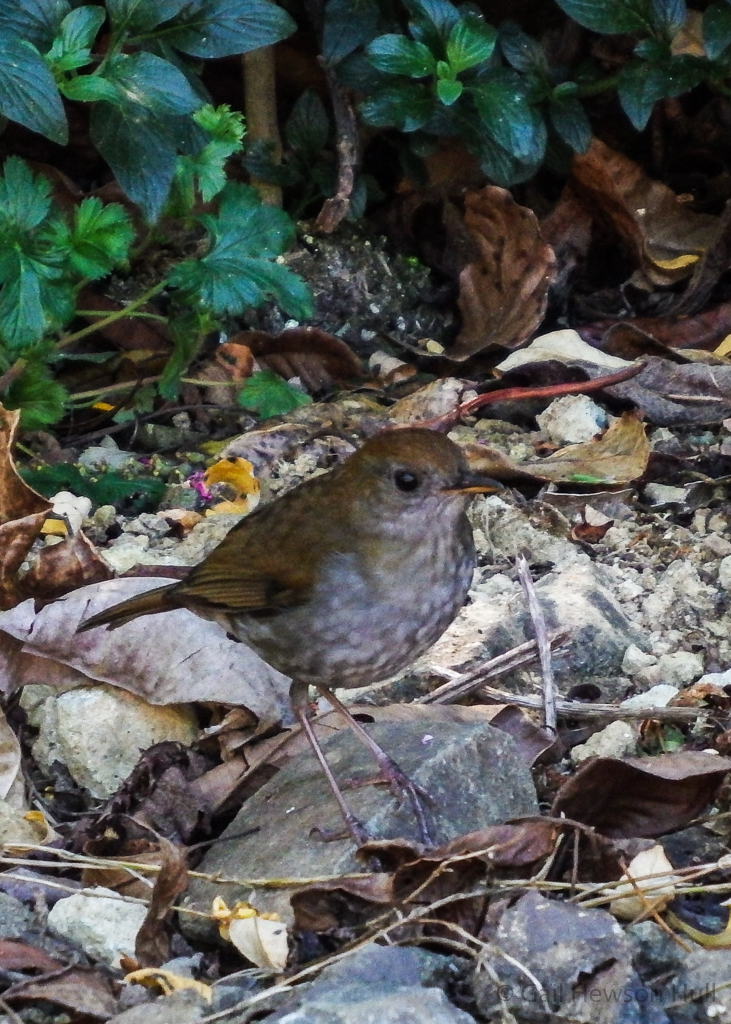
Ruddy-capped Nightingale-Thrush
Side by side in the two essential Costa Rican bird guides (see below) are the Ruddy-capped Nightingale-Thrush and the Orange-billed Nightingale-Thrush. They are members of the Turdidae, or thrushes, of which there are fifteen species in Costa Rica, including four “passage migrants”. Many are known more for their attractive songs than for their plumage.
In fact, one of these thrushes is downright plain—completely costumed in brown—but it is a distinguished resident: the Clay-Colored Thrush is the National Bird of Costa Rica. What? Not the luminescent Resplendent Quetzal? Not the gregarious Scarlet Macaw? No, it was chosen by the Congress because it is a bird whose compelling song can be heard by Ticos (Costa Ricans) no matter where they live in the country. It seems appropriate that such an understated bird was selected, as the Ticos I know value humility above all other aspects of human character.

Clay-colored Thrush at Finca Cantaros, San Vito
I had a chance to see the Ruddy-capped Nightingale-Thrush early this year at high elevation, around 7000 feet (2000 meters) at a wonderful mountain birding site called San Gerardo de Dota. The bird was going in and out of forest edge thickets. I followed it as it hopped along and felt an immediate attachment to it. The thrush seemed shy as it retreated, and yet feisty and unafraid as it emerged from cover once again to search for ground insects, or low bush insects and berries.
In the woods recently at Finca Cantaros I heard the loud, clear and varied song of a bird and vowed to find it in the foliage. Not until I spotted it singing in full-throated vigor in thick hillside forest terrain did I recognize it was the Orange-billed Nightingale-Thrush. This is a bird that is called “shy and retiring”. Yet it let me get close to it. Since it was repeating its song over and over, I now know that song. That knowledge, and that bird’s sheer will to sing, made my whole day.
To hear a 34-second recording from Xeno-Canto of the song of the Orange-billed Nightingale-Thrush, click here and an audio player will open in a new tab/window. Then click the play ( ►) button. Close that tab/window to return to this post.
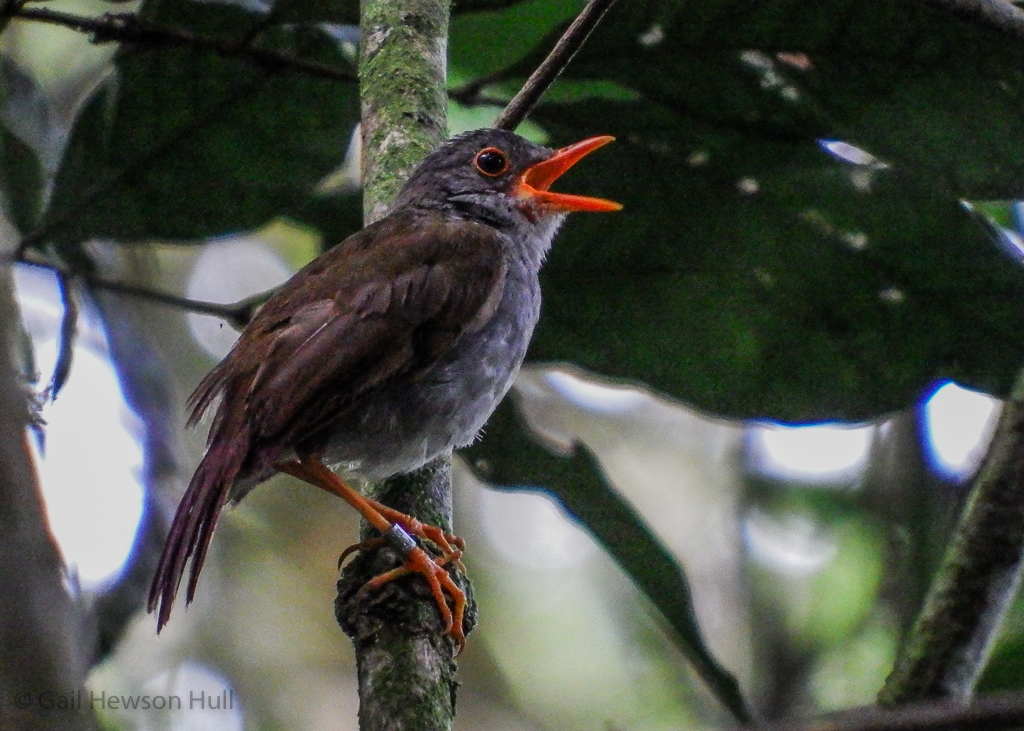
Orange-billed Nightingale-Thrush, foot banded by mist-netters in a decade-long avian population research project in Coto Brus County
**************
Note right leg band on the Orange-billed Nightingale-Thrush. For information about the bird monitoring project, organized by volunteers of the San Vito Bird Club for over one decade, click here.
A Guide to the Birds of Costa Rica by F. Gary Stiles and Alexander F. Skutch, illustrated by Dana Gardner, Comstock Publishing Associates, a Division of Cornell University Press, 1989, p. 369.
The Birds of Costa Rica, A Field Guide by Richard Garrigues and illustrated by Robert Dean. A Zona Tropical Publication from Comstock Publishing Associates, a division of Cornell University Press, Ithaca, New York, Second Edition, 2014, p. 266-267.


 Foto Diarist